Benjamin Price — The Practice
The studio is me.
I design and build every website that leaves here, from Sydney. Below is how I got here and how I work, in enough detail to hold me to it.
I started at a piano.
I trained as a classical pianist at the Conservatorium of Music: years of playing one bar over and over until half a second of timing sits right, and then nobody who hears the piece ever knows you did it.
That last part is the useful bit. An audience never hears the practice. They hear the result, and they decide about you fast.
Pace came with it, and pace is most of this job. Play the same notes at a different tempo and you have a different piece. An enquiry form usually gets found because three other things stopped competing with it.
Then I went to work inside businesses.
I have read businesses from the inside at both ends of the scale: fraud analyst at Macquarie Group, equity research at Teaminvest Private Group (ASX:TIP), then finance and operations lead at an education technology startup small enough that the numbers had my name on them.
Different rooms, same habit: read a business closely and you find where its story and its numbers disagree. That is where a project starts here. Before anything is designed I want to know what your site is costing you, and what it ought to be bringing in.
And now I build.
three.js and WebGL for real 3D that runs in a browser, GSAP for motion, and Blender for anything that has to be modelled and lit before it can be rendered. That list on its own tells you nothing, which is why most studios stop at the list.
What it buys is a site that does the thing instead of describing it. A firm that is impressive in person usually has a website that is a brochure about being impressive, and closing that gap is the job: your presence in the room, rebuilt for the place most people meet you first. The film you have been scrolling through was modelled, lit and rendered here.

So that is where the judgement comes from. The rest of this page is what it means for your firm.
Most firms have no idea what their site is costing them.
Some win nearly all their work on referral, and the referral still looks them up first. Some have a site that works perfectly well and has quietly stopped representing the business that outgrew it. Some are new enough that the site is the only impression there is.
None of it is visible from the inside. You read your own site through everything you already know about the business. A stranger has none of that, and a stranger is the entire audience.
Nobody walks into a building with the render peeling off to find out whether the offices upstairs are any good. They go somewhere else.
How your page gets decided.
The sequence and the numbers are on the pricing page. This is the judgement inside it, which is what you are actually paying for.
-
It starts with the audit
I read what you have the way a stranger does, and tell you what it is costing you. Everything after is built from that, and you get it whether or not you go ahead.
-
Then I work out what does not belong
Most sites have collected years of additions nobody took back off. Deciding what comes off is the first real design decision: a page arguing one thing beats a page mentioning six.
-
Then it gets fitted to you
What survives gets built around how your firm works and what it believes, with visuals made for your industry rather than a template four competitors already use.
Engagement 001
The work, opened up.
Anyone can list a process. This is a real engagement walked through the way it actually ran: what was walked into, what was decided, what was built, and what every call was based on.
-
The read.
Cloudtel sells carrier infrastructure: VoIP wholesale, billing, the systems other companies depend on. Serious clients and serious work, arriving through a site built in 2012: HTTP only, so browsers called it not secure, with product pages returning server errors and a stock slider doing the talking.
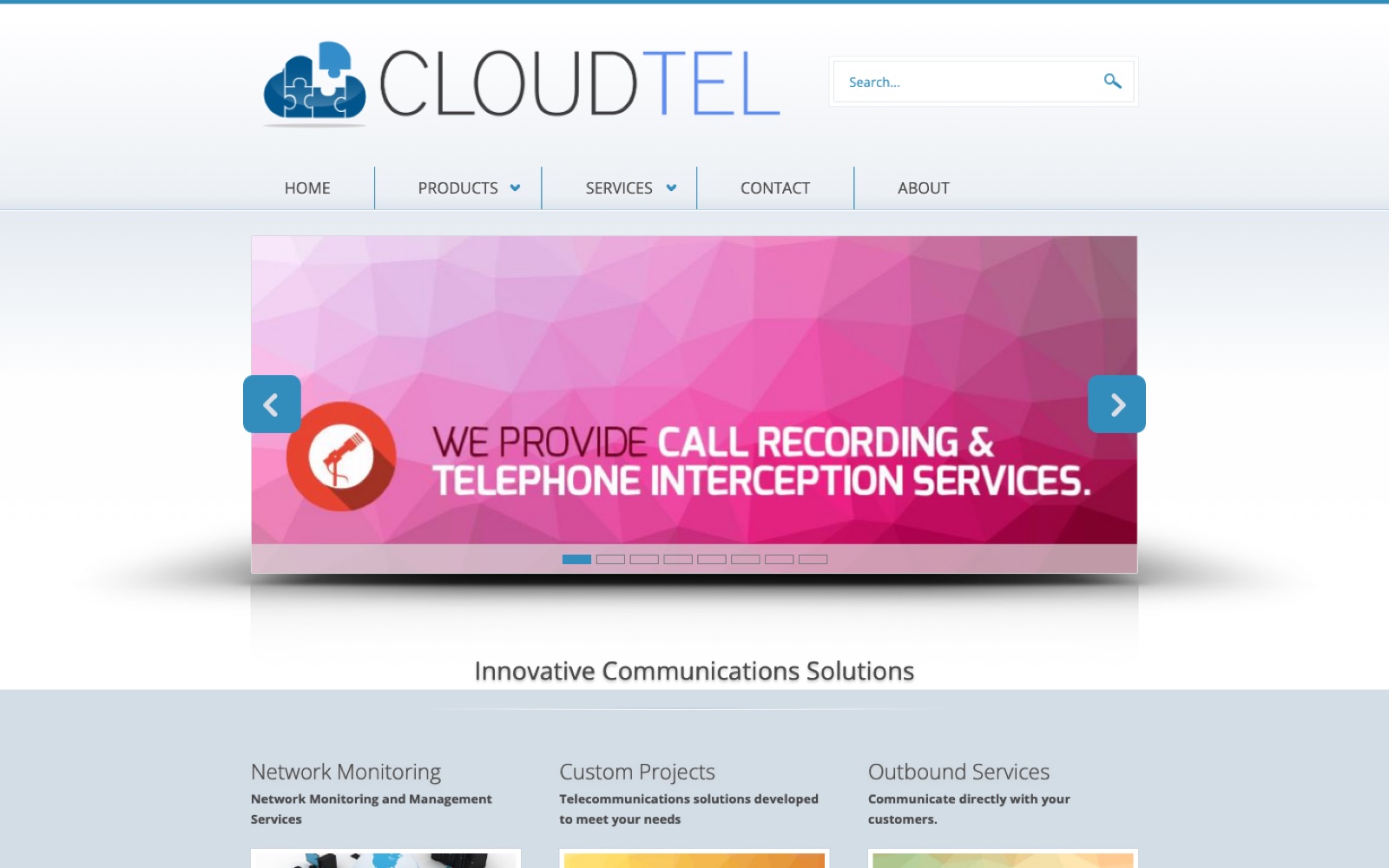
The room we walked into · 2012 Based on reading the business before the browser. Where a firm’s story and its numbers disagree is where the work starts.
-
The direction.
One direction, argued for. The old mark stacked a cloud and a jigsaw piece in a gloss gradient; the new one is a single continuous stroke that still holds at sixteen pixels. Layout and look were approved before a line of code was written.

2012 
2026 Based on the fifty-millisecond verdict: a stranger decides on sight, so the mark has to survive a favicon, a glance, a printed page.
-
The build.
New copy and a new front end, designed and built end to end by the same person, refined at real speed on real devices. No theme underneath, no page builder, nothing reused from anyone else.
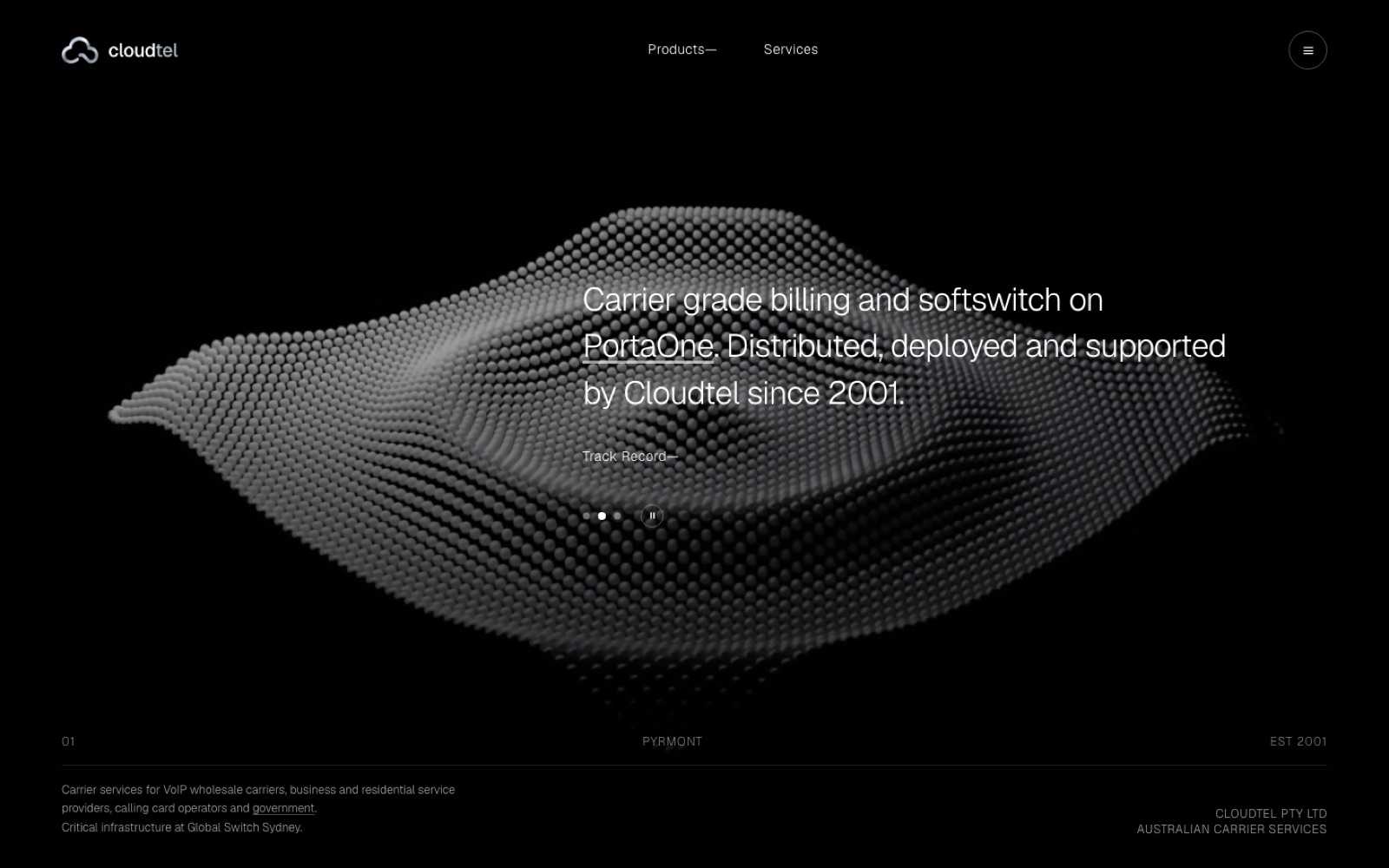
The same address · 2026 Based on enquiry-led structure: every page earns its place by moving a visitor one step closer to making contact.
-
The handover.
Launched in the client’s name, on their domain, owned outright: code, content and mark. The same business, finally legible to a stranger.
Based on the room argument: the website is the one room every future client walks into first, and it has to hold the standard the work already holds.
The client-approved quote goes here, word for word, or not at all.
This engagement is written up in full, mark morph and all, in the Cloudtel case study. The next engagements are in build; their stories, and their clients’ words, take this space when they ship.
I design, build and look after every site myself, so I run a few projects at a time. If there is a wait, the audit still comes back inside 48 hours.
Benjamin Price · Sydney, New South Wales, Australia · ABN 69 149 362 704 · hello@benjaminprice.co · LinkedIn · r/benjaminprice
Start with the audit.
Six questions, two minutes. A written read on what your site is doing for you, and what it is not. Back in 48 hours.
Request the audit